
General information about La Palma
Location and size of the Canary Islands
Africa: about 445 kilometres, mainland Spain: about 1,400 kilometres, central Europe: about 3,000 kilometres, Cuba: about 6,000 kilometres. That is what an international signpost on La Palma might look like. It does not exist, of course, but you have probably guessed what comes next: a few facts for number lovers!
With an area of around 708 square kilometres, La Palma is one of the smaller of the eight Canary Islands. Seven islands have their own administration, while La Graciosa is administratively attached to Lanzarote. Among the seven self-administered islands, La Palma sits between Lanzarote and La Gomera in size.
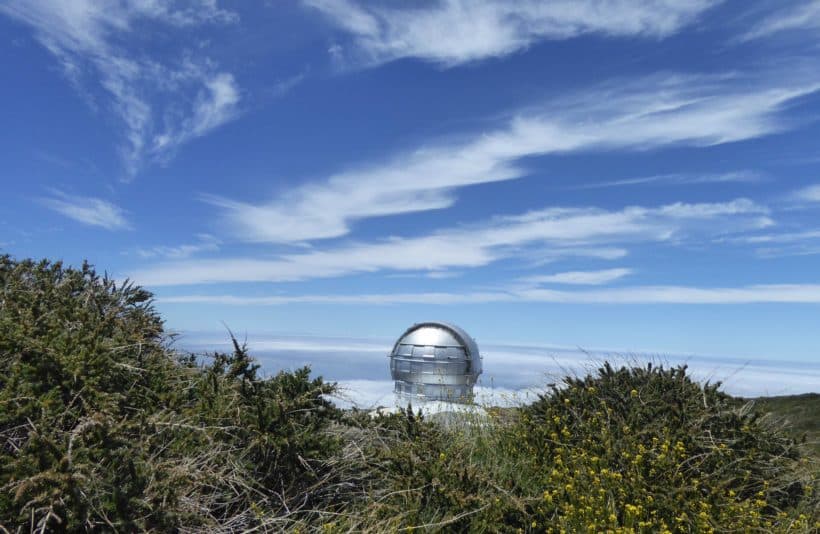
La Palma is only 47 kilometres long and 28 kilometres wide, yet it rises to an astonishing height. And that does not mean only the 2,426-metre Roque de los Muchachos. Below the water, the volcanic structure continues several thousand metres down to the ocean floor. Eruption by eruption, the island we see today grew over roughly two million years.
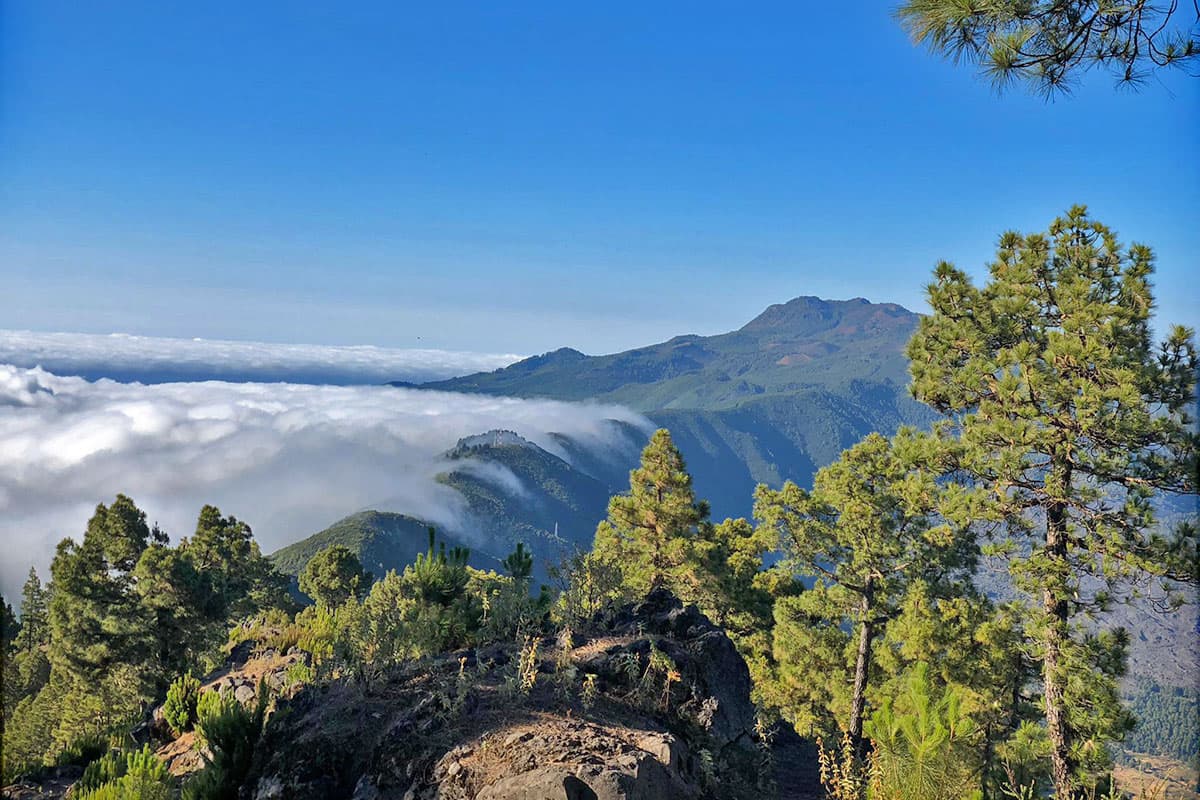
This “hot” ground is now home to around 86,000 Palmeros, newcomers and residents from many parts of the world, according to the 2025 figures. Compared with La Gomera, with just under 23,000 inhabitants, or El Hierro, where around 12,000 people live, La Palma feels quite lively. Even so, it remains wonderfully quiet beside the “larger islands”: Gran Canaria has almost 876,000 residents and Tenerife around 966,000. Lanzarote, with roughly 167,000, and Fuerteventura, with around 129,000, occupy the middle ground. Added to them are the many visitors who temporarily join island life each year.
Islands with their own administration
La Palma has an average of around 122 residents per square kilometre. More than 20,500 live in Los Llanos de Aridane, almost 5,000 more than in the island capital, Santa Cruz de La Palma. That is not the only reason Los Llanos is often called La Palma's “secret capital”. El Paso is the third most populous municipality, followed by Breña Alta.
Population of La Palma's municipalities
Figures at 1 January 2025 · Source: INE