
Lava, wine and tapas around Las Manchas
Following the San Juan eruption
Above the Aridane valley, pine forest meets dark volcanic terrain almost without warning. The 1949 San Juan eruption opened several vents along Cumbre Vieja. Its solidified lava flows still cross the slopes around San Nicolás and Las Manchas. Rope-like forms preserve the impression of molten rock in motion.
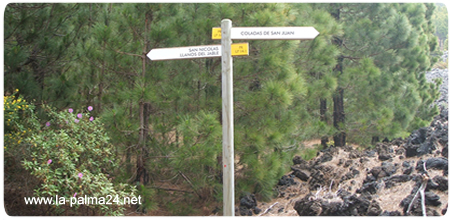
Young pines and pioneer plants emerge between black lapilli and sharp lava. The contrast makes this a memorable walk, but it also calls for care: away from the path the surface is difficult to cross, can cause cuts in a fall and forms part of a fragile environment.
Tamanca: volcanic land and vineyards
Farther south, the scenery merges into the protected Tamanca landscape. Lava from several historic eruptions lies beside terraces, dry-stone walls and vineyards. Volcanic soil stores heat, while walls and hollows shelter the vines from wind and help retain scarce moisture.
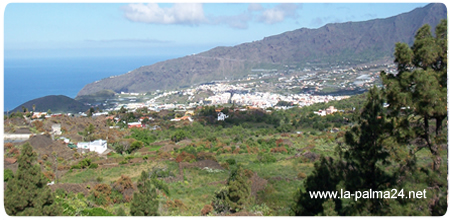
The 2021 Tajogaite eruption profoundly changed Las Manchas, its access roads and part of the wine-growing area. The 1949 San Juan lava remains a separate historic landscape. New roads have restored connections, but maps and directions dating from before the eruption should always be checked against current information.
PR LP 14.1 Lavas de San Juan
The official circular PR LP 14.1 route begins and ends at San Nicolás. It is approximately 10.1 kilometres long and rated moderate. In addition to crossing the lava, a short, narrow and very steep section descending towards Llano de Tamanca requires sure footing. Local connecting paths offer shorter ways to experience the lava fields.
Immediately before setting out, check the official route information and current status. Wear hiking footwear and carry ample water plus protection from sun or rain. Stay on the marked path and allow enough time for elevation changes and breaks.
Wine and a Palmeran pause
After the walk, local La Palma wine and a few tapas suit the character of the area. Winegrowers and bodegas around Las Manchas and the south continue to work volcanic soils. Rather than relying on a particular venue or timetable that may change, check availability and book directly with the place you choose.